Winterizing Your Oregon Lawn: Tips and Tricks
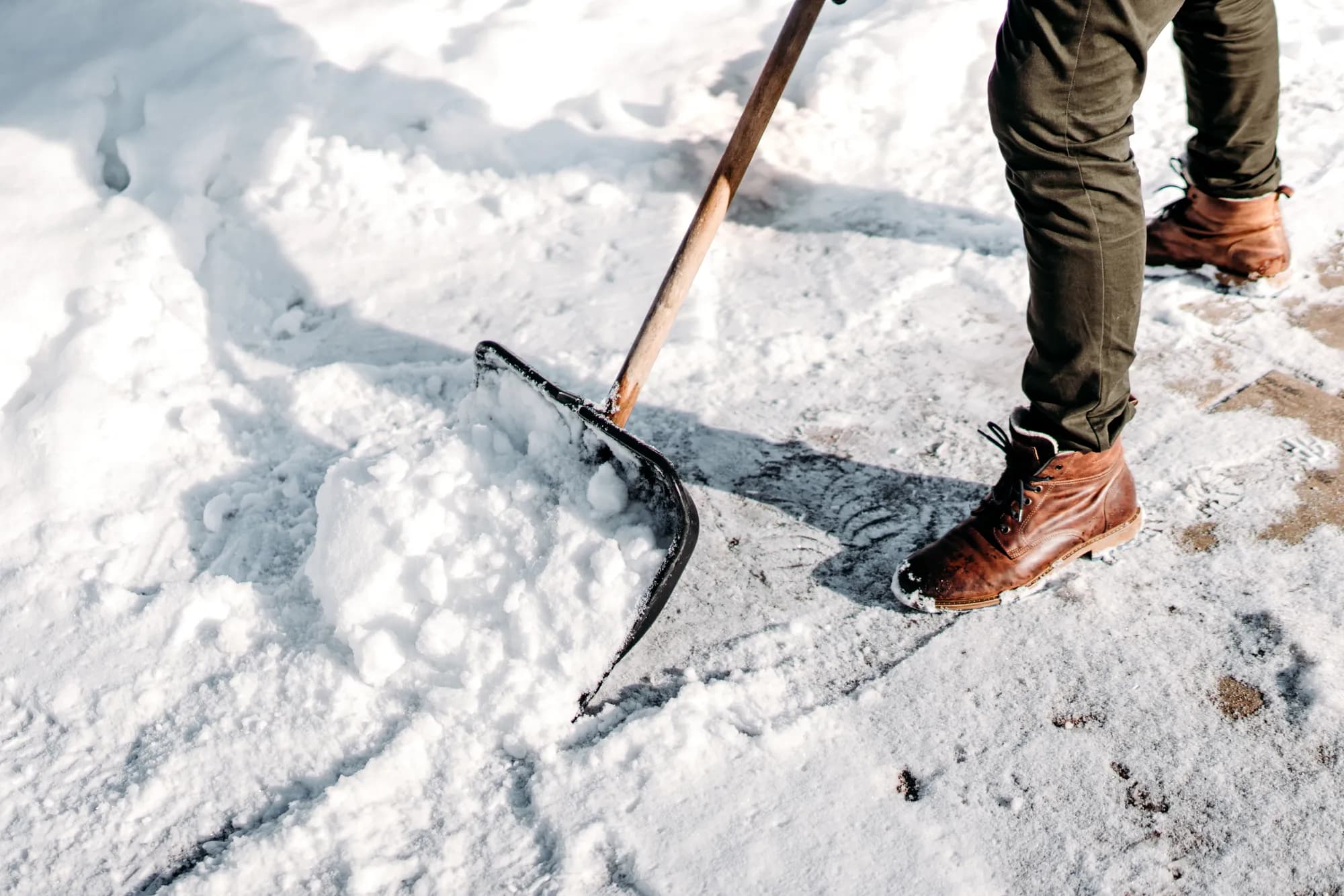
As the fall season comes to a close, it's essential to start preparing your lawn for the winter months. Oregon winters bring persistent rain, freeze-thaw cycles, and the occasional snow event—all of which can stress your landscape. Proper winterization now means a faster, healthier green-up come spring.
1. Final Mowing and Lawn Care Maintenance
Continue to mow as needed through late fall, but gradually lower the cutting height for the last 1–2 cuts of the season. Aim for about 2–2.5 inches going into winter—short enough to prevent matting under snow or heavy rain, but not so short that you scalp the crown.
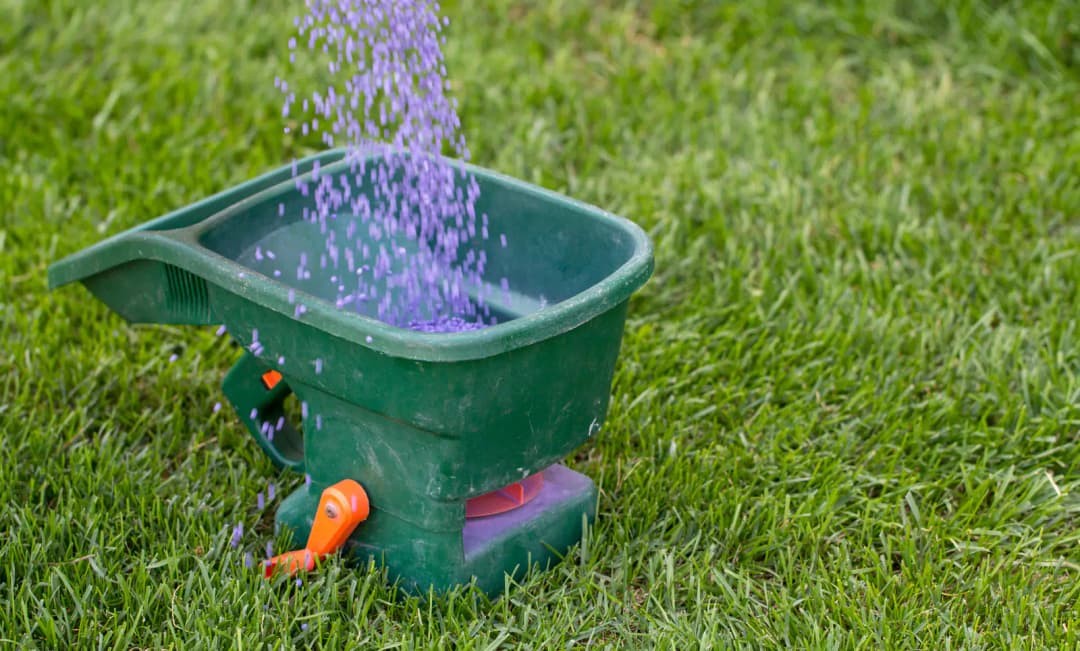
Apply a winterizer fertilizer (high potassium, moderate nitrogen) if you haven't already. This final feeding strengthens cell walls and builds carbohydrate reserves in the roots, improving cold tolerance and spring recovery.
2. Protecting Plants from Frost Damage
Oregon's Willamette Valley sees frost from November through March. Tender perennials, newly planted shrubs, and container plants are most vulnerable. Here's how to protect them:
- Mulch heavily: Apply 2–3 inches of bark mulch or straw around the base of plants to insulate roots.
- Cover sensitive plants: Use frost cloth, burlap, or even old bedsheets on nights below 28°F. Remove covers during the day.
- Move containers: Potted plants lose heat faster. Group them against a south-facing wall or move them into an unheated garage.
- Water before freezes: Moist soil holds heat better than dry soil. Water deeply 24–48 hours before a hard freeze.
3. Leaf Removal and Debris Cleanup
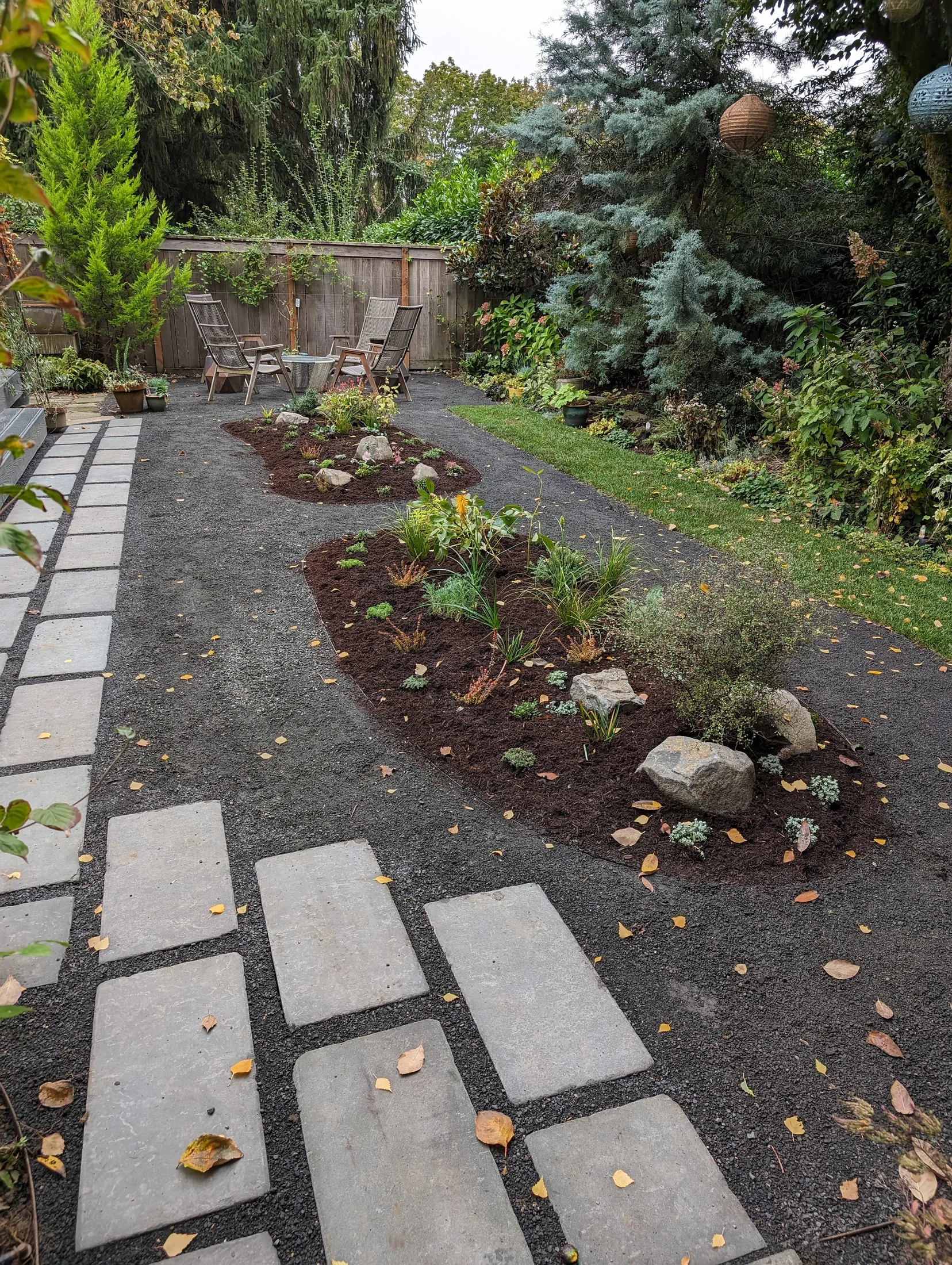
Don't let leaves accumulate on your lawn. Wet, matted leaves create a perfect environment for snow mold and other fungal diseases. They also smother grass, blocking the limited winter sunlight.
Rake or blow leaves weekly during peak drop. Compost them or use them as mulch in garden beds (shredded leaves break down faster). Don't forget to clear gutters and drainage paths—clogged drains lead to water pooling and ice damage.
4. Protect Hardscapes and Irrigation
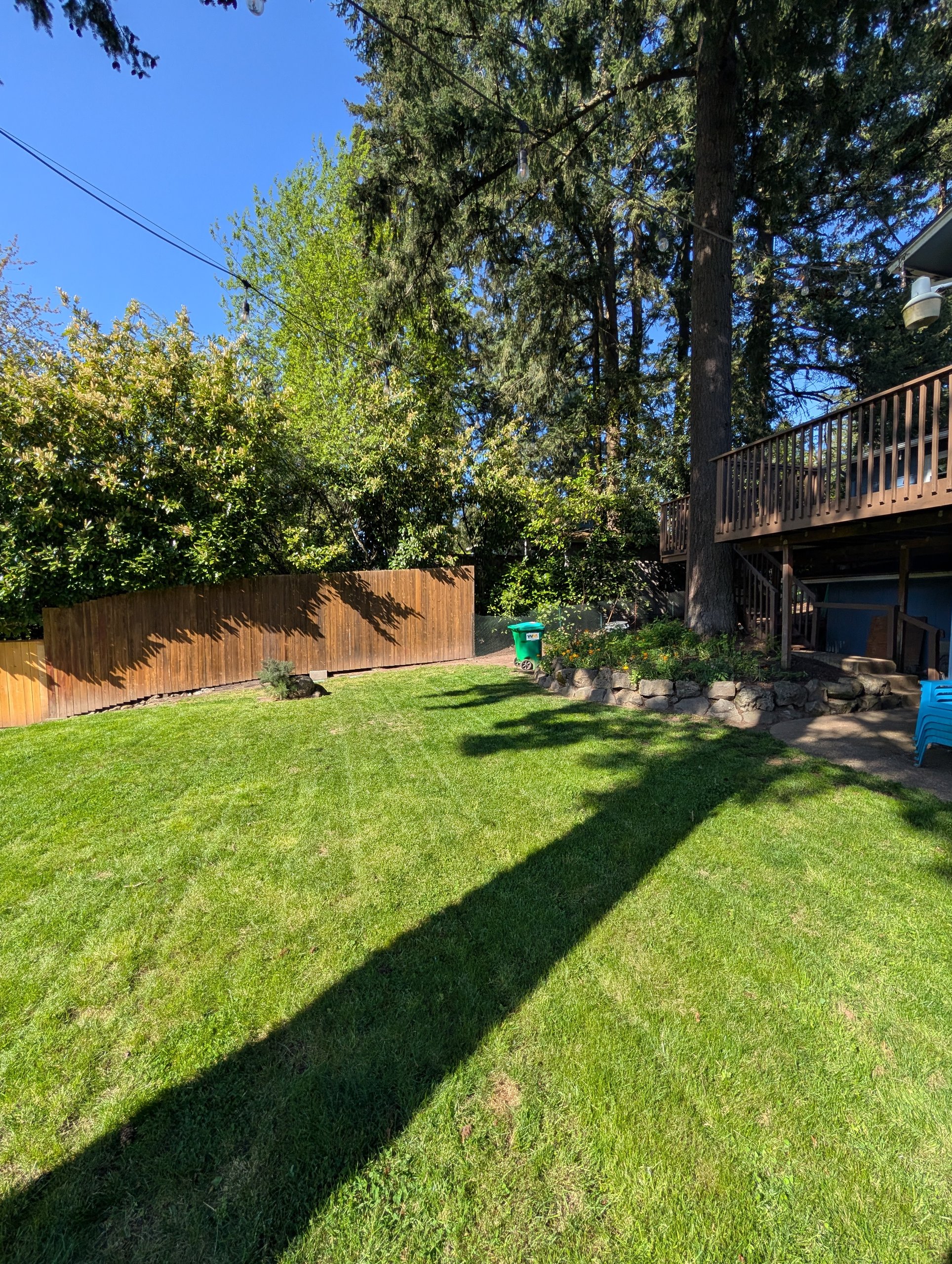
Freeze-thaw cycles can crack concrete, pavers, and retaining walls. Ensure proper drainage away from hardscapes. If you haven't winterized your irrigation system yet, do it now—compressed air blowout is the only reliable method for Oregon's climate.
5. Plan Ahead for Spring
Winter is the perfect time to plan next year's projects: new planting beds, irrigation upgrades, hardscape installations, or a full landscape redesign. Beat the spring rush by booking a consultation now.
Need winter prep or storm-season support? Oregon Lawn Barbers provides winter support services including leaf removal, salt application for safe walkways, and emergency storm cleanup. Learn more about our winter services or request a quote.
- Winter
- Frost Protection
- Leaf Removal
- Winterizer